How Italian Heritage Shapes Luigi Spadorcia’s Approach to Kitchen Design


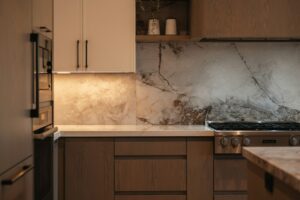
Italian design has long balanced beauty, craftsmanship, and everyday usefulness. That cultural foundation offers a meaningful lens for understanding Luigi Spadorcia’s approach to kitchen design. His work reflects Italian kitchen design principles that value proportion, material quality, and human connection. Rather than treating kitchens as isolated utility zones, this perspective sees them as social spaces. The result is a design philosophy where visual refinement never loses touch with practical living.
Italian Heritage as a Foundation for Kitchen Design
Italian heritage brings centuries of artistic thinking into modern interiors. Architecture, furniture, food, and family life often meet within one connected design culture. For Spadorcia, that influence can encourage kitchens that feel composed rather than merely installed. Proportion matters because each element must relate naturally to the room around it.
This heritage also favors lasting design over short-lived decoration. Italian interiors often gain character through disciplined choices, not excessive visual effects. Accordingly, a kitchen can feel luxurious through balance, texture, and precision instead of ornament. That approach supports timeless kitchen interiors that remain relevant as tastes change.
Craftsmanship Gives Materials Greater Meaning
Material selection plays a central role in Italian-inspired kitchens. Natural stone, wood, metal, and glass can communicate quality through texture and honest construction. However, premium materials alone do not create a successful room. Spadorcia’s approach can be understood through careful detailing, where edges, joints, finishes, and transitions receive equal attention. These smaller decisions shape how refined the finished kitchen feels.
Italian craftsmanship also celebrates the relationship between skilled making and modern technology. For example, precise cabinetry can hide advanced appliances without making the room feel mechanical. Integrated storage can reduce clutter while preserving strong visual lines. Meanwhile, tactile surfaces add warmth to streamlined forms. This combination creates luxury kitchen craftsmanship that feels sophisticated, useful, and comfortable every day.
The Kitchen as a Place for Connection
Italian culture gives food and hospitality an important place in everyday life. Because of that tradition, the kitchen naturally becomes more than a preparation area. It becomes a setting for conversation, gathering, and shared routines. Spadorcia’s design perspective reflects this social purpose by considering how people move and interact.
Open layouts require especially careful planning. A kitchen visible from nearby living areas must function well while contributing to the wider interior. Therefore, cabinetry, lighting, and materials need to visually connect with surrounding spaces. A restrained palette can connect different zones while still giving the kitchen its own identity.
Modern Italian Kitchen Design Balances Form and Function
Strong kitchen design depends on more than appearance. Daily use quickly reveals whether storage, lighting, appliances, and work surfaces were planned intelligently. Spadorcia’s Italian-influenced approach places function inside a broader aesthetic framework. Consequently, practical features can become part of the architecture rather than visible afterthoughts.
Ergonomics also shapes the experience of a refined kitchen. Frequently used items should remain accessible, while circulation should feel natural between key work areas. These priorities support functional kitchen layouts without forcing every home into one standard formula. Instead, the design can respond to household habits, available space, and individual preferences.
Restraint Creates a More Enduring Sense of Luxury
Italian luxury often communicates confidence through restraint. Rather than filling a room with statement pieces, designers can let proportion and materials create impact. Spadorcia’s approach aligns with this quieter expression of quality. A carefully chosen stone surface may become the focal point without competing finishes nearby.
Restraint also keeps craftsmanship visible. When unnecessary details disappear, precision becomes easier to notice. Cabinet alignment, consistent reveals, balanced lighting, and clean transitions carry greater visual weight. Their character comes from disciplined composition rather than from decorative excess or passing trends.
Tradition and Innovation Work Better Together
Heritage does not require designers to recreate the past. Instead, it can provide principles that guide contemporary decisions. Spadorcia’s approach shows how Italian design values can coexist with new appliances, lighting systems, and storage solutions. This keeps the kitchen current while protecting its sense of permanence.
Sustainability also fits naturally within this long-term mindset. Durable materials and adaptable layouts can reduce the need for frequent replacement. Moreover, careful planning can prevent waste caused by poorly considered choices. A kitchen designed for longevity offers both environmental and practical value. It also reflects an Italian respect for objects and spaces made to age with dignity.
A Distinctive Vision Rooted in Italian Values
Luigi Spadorcia’s kitchen design approach draws on Italian heritage by connecting aesthetics with lived experience. Beauty matters, yet it works alongside craftsmanship, function, hospitality, and longevity. These values create kitchens that support daily routines while offering a strong architectural presence. More importantly, they encourage spaces that feel considered rather than simply fashionable.
That balance explains the lasting appeal of Italian kitchen design principles. They provide a framework for creating rooms that are elegant, efficient, and welcoming. Through careful material choices, disciplined proportions, and thoughtful planning, Spadorcia’s perspective bridges cultural tradition with contemporary needs. The kitchen then becomes more than a polished interior. It becomes a lasting expression of how design can enrich everyday life.